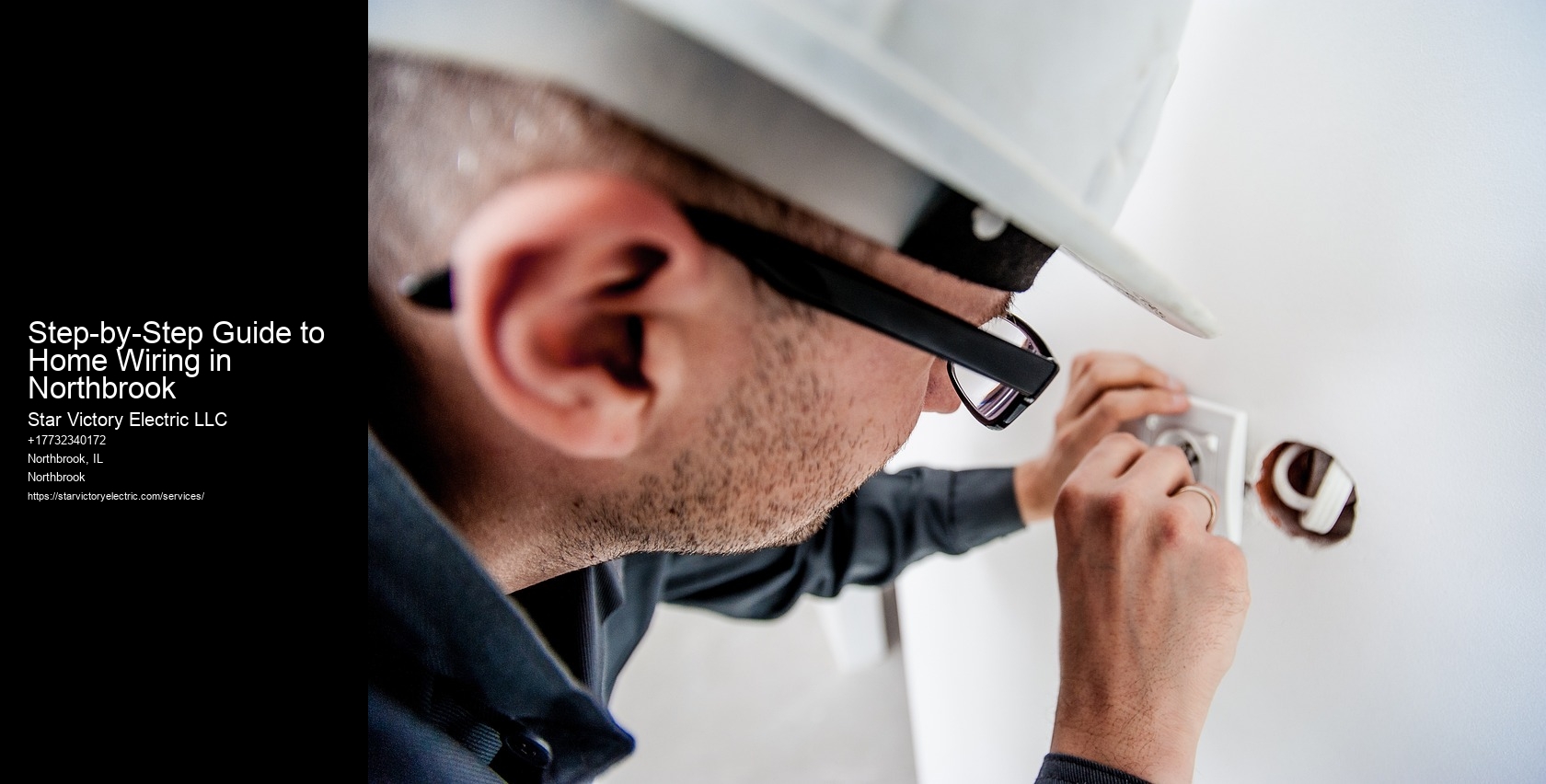
Selecting the Right Wiring Materials
When it comes to selecting the right wiring materials for your home in Northbrook, it might seem like a daunting task, but fear not! With a bit of guidance, youll be on your way to ensuring a safe and efficient electrical system. First and foremost, its important to understand that not all wires are created equal. You cant just grab any old wire from the store (even if its on sale) and expect it to work wonders in your home.
Lets start with the basics. Chicago metropolitan area The most common type of wiring used in homes is copper. Copper wires are known for their excellent conductivity and flexibility, making them a popular choice for residential wiring. But hey, dont just take my word for it! Many experts agree that copper is a reliable material that stands the test of time. However, aluminum wiring is another option you might encounter. While it was used more frequently in the past, aluminum has fallen out of favor due to its tendency to expand and contract more than copper, which can lead to loose connections over time (not ideal, right?).
Now, lets talk about the insulation. The material that covers the wire is just as important as the wire itself! PVC (polyvinyl chloride) is a common insulating material because of its affordability and decent heat resistance. But if youre looking for something a bit more robust, consider THHN (Thermoplastic High Heat-Resistant Nylon-coated) wire. Its designed to withstand higher temperatures and is often used in commercial applications. So, if you plan on doing some heavy-duty wiring, THHN might be the way to go.
Its crucial to remember that the gauge of the wire matters too. The gauge refers to the thickness of the wire, and it determines how much current the wire can safely carry. For most outlets and lights, a 14-gauge wire should suffice, but for larger appliances (like your washing machine or oven), a 12-gauge wire is usually recommended. Dont skimp on this part, folks! Using the wrong gauge can lead to overheating and potentially dangerous situations.
Lastly, do not underestimate the importance of connectors and fixtures. They may seem like minor components, but they play a vital role in ensuring that your electrical system functions smoothly. Go for high-quality connectors that wont corrode easily, and make sure theyre compatible with the type of wire youre using.
So, there you have it-a (hopefully) helpful guide to selecting the right wiring materials for your home in Northbrook. Remember, doing your research and taking the time to choose the right materials will pay off in the long run. After all, a safe home is a happy home!
Understanding Electrical Safety Codes and Regulations
When it comes to wiring your home in Northbrook, understanding electrical safety codes and regulations is not just important-its essential! You cant just wing it (trust me, its not a good idea). Explore Local Residential Electrician Northbrook Illinois here. These codes are there to protect you, your family, and your property from electrical hazards. Theyre like the rulebook you didnt know you needed, but cant afford to ignore.
First off, lets talk about what these codes actually are. In a nutshell, electrical safety codes are guidelines that dictate how electrical systems should be installed and maintained. Theyre not just arbitrary rules; theyre based on years of research and real-world experience. The National Electrical Code (NEC) is the most widely adopted standard in the United States, and Northbrook aint an exception. But remember, local codes can have their own nuances, so always check with the local authorities.
Now, before you even think about picking up a screwdriver, familiarize yourself with these codes. Distribution board You wouldnt start a journey without a map, right?
Electrical contractor
- Wire stripper
- Electrical wiring in North America
- Chicago metropolitan area
- Wire stripper
- Electrical wiring in North America
- Chicago metropolitan area
- Wire stripper
Dont forget about permits. A lot of people think they can skip this step, but thats a big no-no. Permits are there for a reason. They ensure that your work gets inspected by professionals who know what theyre doing. Its not about bureaucracy; its about safety. Plus, if you ever decide to sell your home, having the proper permits can save you a lot of headaches.
One more thing-ground fault circuit interrupters (GFCIs). Theyre lifesavers, literally. These devices are designed to protect you from electric shocks by cutting off the power if they sense a fault. Installing them in areas like kitchens and bathrooms is not just a good idea; its often mandatory.
List of electricians
Finally, dont hesitate to call in a professional if youre unsure about anything. Electrical work is not something you want to gamble with. Sure, DIY projects are fun, but this isnt the place to experiment. A licensed electrician can ensure everything is up to code and safe.
In summary, understanding and adhering to electrical safety codes and regulations isnt just about following rules-its about ensuring your home is a safe place for everyone. So, take the time to learn (and follow) these guidelines. Your future self will thank you!
Installing Circuit Breakers and Panels
Installing circuit breakers and panels is an essential part of home wiring, especially if youre tackling a project in places like Northbrook. Its not something you want to jump into without preparation (or at least some basic knowledge). Home wiring can be daunting, but with the right guidance, its not impossible!
First things first, you need to understand what a circuit breaker does. Its not just a fancy switch; it protects your home from electrical overloads and potential fires. If theres too much current flowing through a circuit, the breaker trips and cuts off the electricity. Its like a safety net for your wires. Before you begin installing anything, make sure the power is off. I mean, you dont want to start working on live wires. Thats definitely not safe!
When youre ready to install a circuit breaker, you need to choose the right one for your panel. Not all breakers are created equal, and using the wrong one can lead to a myriad of issues. Wire stripper So, dont just grab the first one you see on the shelf. Check your panels specifications to ensure compatibility. Once youve got the correct breaker, its time to slot it into place. (This part can be a bit tricky if youre not used to working with electrical panels.)
Now, onto the panel itself. Installing a new electrical panel isnt just a plug-and-play process. Its a bit more involved. Youll need to mount the panel securely and make sure its level. After all, you dont want it to look crooked on your wall! Connect the main power line to the panel and then attach the individual circuit wires to their appropriate breakers. Its crucial to double-check your connections; you dont want any loose wires causing problems later on.
One common mistake people make when installing panels is not labeling their circuits. Oh boy, thats a headache waiting to happen. Imagine trying to figure out which breaker controls which part of your house without any labels. Its chaos! So, take the time to label everything clearly – your future self will thank you.
In conclusion, while installing circuit breakers and panels might seem daunting, its entirely doable with the right approach and precautions. Be sure to follow all safety guidelines and dont rush the process. After all, safety is paramount when dealing with electricity. And if youre ever in doubt, dont hesitate to call a professional. Sometimes, its better to be safe than sorry!
Running and Connecting Wires
Running and connecting wires in your home can seem like a daunting task, but with a bit of patience and a step-by-step approach, it's definitely doable! Now, I'm not saying it's a walk in the park, but it's not rocket science either. Let's dive into how you can tackle home wiring in Northbrook.
First things first, you've gotta plan your wiring layout. It's crucial to know where your outlets, switches, and fixtures will be placed. Don't skip this step! Without a clear plan, you might end up with wires running all over the place, and that's not ideal. Once you've sketched out your plan (and made sure it's feasible), you can start gathering the necessary tools and materials. Nobody wants to be halfway through a project only to find out they're missing something crucial.
Before you start running the wires, make sure the power is turned off at the main circuit breaker. Safety is key, and you don't want to risk getting shocked. Once that's done, you can start threading the wires through the walls. It might seem easier than it actually is, and you'll probably encounter a few obstacles along the way. But hey, perseverance is the name of the game here.
When you're connecting the wires, remember to strip the insulation off the ends carefully. You don't want to damage the wires or leave them exposed more than necessary. Connect the wires to the appropriate terminals, ensuring they're secure. A loose connection can cause all sorts of problems down the line, and nobody wants that!
Now, you might be tempted to hurry through the process, but it's essential to double-check each connection. It's not just about getting the job done; it's about getting it done right. Once everything's connected, you can go ahead and turn the power back on to test your work. If everything lights up as it should, congratulations! You've successfully run and connected your home wiring.
In conclusion, while running and connecting wires isn't the easiest DIY task, it's definitely something you can handle with the right mindset and precautions. Take it step by step, don't rush, and always prioritize safety. With a little patience, you'll have your home wired up in no time.


